
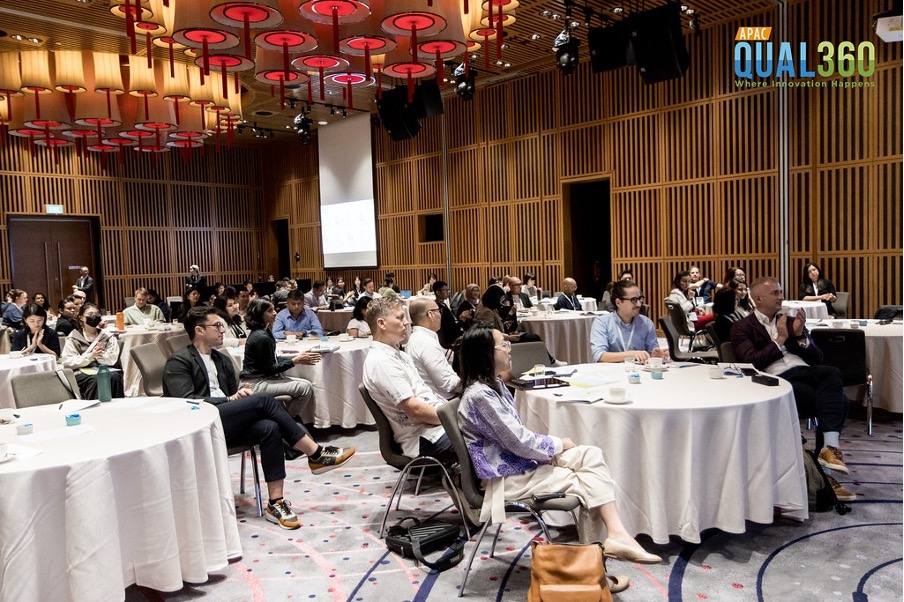
The QUAL360 APAC conference, held in vibrant Singapore on November 6–7, 2024, brought together a dynamic mix of qualitative research professionals, brand leaders, and industry experts. Part of the only global conference series dedicated to qualitative market research, QUAL360 continues its tradition of fostering innovation, collaboration, and meaningful connections within the research community.
This year’s conference was even bigger than before, with more participants, more conversations, and more ideas on the future of qualitative research.
Key Highlights and Testimonials
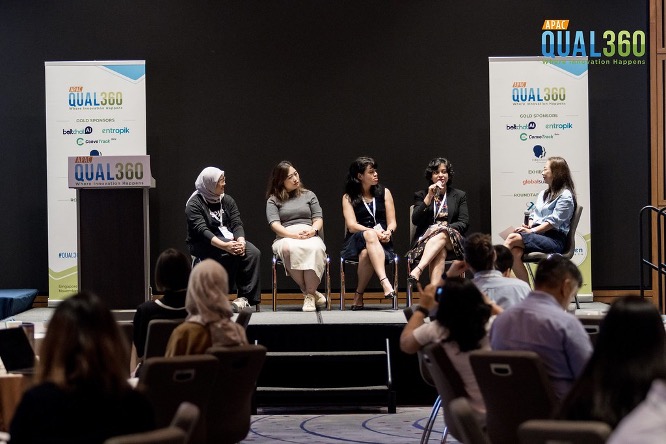
One of the key highlights of the event was the shared learning and collaboration among industry leaders. Rara Naval, Human Resources Director ASEAN and South Pacific at Coca-Cola, had a great time at the conference and was particularly inspired by the diverse perspectives presented. She commented, “I had an incredible time sharing and learning about the latest in qualitative research. My fellow presenters and panelists have given me lots of new and inspiring ideas through their case studies and fresh points of view.”
The event’s improvement over previous editions was also praised by attendees. Fitria Sabaruddin, Head of Research at Gojek, appreciated the well-curated sessions and content, commenting, “The event was insightful and well-curated! It was much more improved compared to the previous edition.”
Percival Pastrana, AMEA Consumer Science Lead at Sanofi Consumer Healthcare, reflected on the lively and energizing atmosphere of the event. He shared, “It was a whirlwind of inspiration, insights, and human connection! I was greatly energized by the swapping of ideas over coffee and debating methodologies over lunch breaks.”
Another key topic at the event was the use of AI in qualitative research, which sparked some fascinating discussions. Monalisa Saxena, COO at Merren, found the conversations around AI particularly engaging and insightful, stating, “There were absolutely fascinating conversations around using AI in qual—the AI fire is spreading, and we as researchers must understand how to harness it best. The decision to bake, boil, sauté, or roast the data still remains human!”
Exploring the Qualitative Market in APAC
The Asia-Pacific region is buzzing with opportunities for qualitative research, as brands and researchers explore new ways to understand people better. This year’s sessions tackled everything from using AI ethically to blending traditional methods with modern tools.
The focus wasn’t just on technology—it was also about the human side of research. How do we tell better stories? How do we make sure our insights really connect with people? These were some of the key questions that drove the conversations.
Shaping the Future of Qualitative Research
As the market research industry adapts to shifting consumer behaviours, new technologies, and global challenges, QUAL360 remains consistent in its mission to support researchers in navigating this complexity. The conference is not just about learning—it’s about creating opportunities to transform ideas into actionable strategies that benefit businesses and consumers in this rapidly changing industry, ensuring that qualitative researchers are equipped to lead innovation with agility and foster meaningful connections worldwide.
Singapore prepares to welcome market research and consumer insights leaders at MRMW APAC this 2025
MRMW APAC 2025 promises to be another exciting opportunity for professionals in the market research and consumer insights industry, offering attendees the chance to expand their networks and stay ahead of industry trends alongside the industry innovators within the region.
With 25+ top speakers, case studies from 20+ industries, and intimate networking receptions, MRMW APAC will welcome top researchers from the world’s largest brands and participate in interactive panel discussions, engage in 1-2-1 meetings, and connect with industry leaders.Join the community and network with insights experts by registering early through the link below:
https://apac.mrmw.net/
This article was first published in the Q4 2024 edition of Asia Research Media



How GenAI is transforming market research